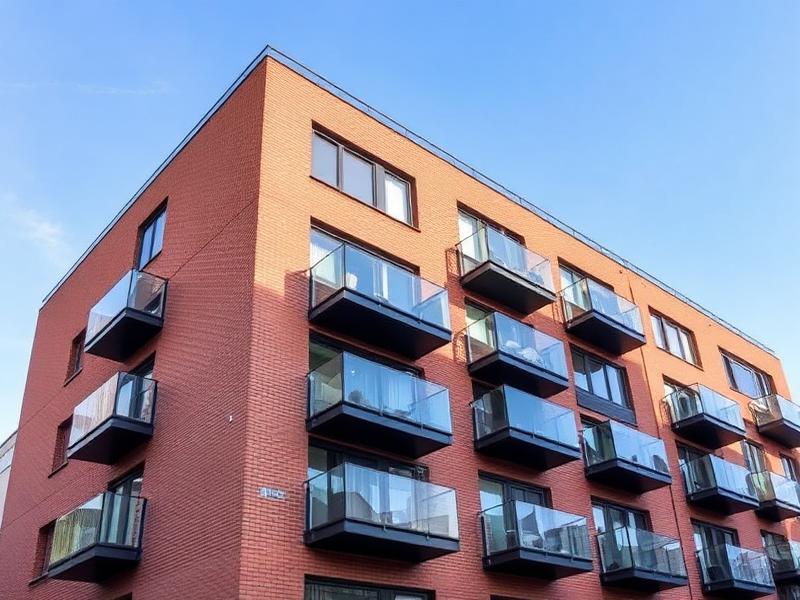
If you have a flat, run a residential block, or have just taken on the management of a block of units, block management is something you will have to learn about quickly. It encompasses many different aspects, such as property upkeep, finances, insurance, common areas, contractors, residents, etc. All of these variables will have a significant impact on the value of every property in the building.
This document will detail what block management is, the primary players involved, and the interconnections of all the moving parts within block management.
What is block management?
Block management is the operation of multi-unit residential buildings, particularly the management of large apartment buildings. It includes everything integral to the function of the building, such as the roof, the external walls, stairwells, elevators, parking lots, landscaping, and the shared lights and drains.
Block management is often confused for property management, but the two are not synonymous. Property management is the management of standalone rental units, whereas block management is the management of an entire building and the residents within.
Who does block management?
Although there are many players involved in block management, there are three primary roles that are the most critical to understand.
The freeholder is the owner of the building itself. This could either be a private person or a company. In some cases, the freeholder could be the residents collectively, via a residents management company. The freeholder is eventually responsible for the maintenance of the building, though in most cases, this responsibility gets delegated to a managing agent.
Leaseholders have the right to possess their respective flats over the course of the lease — this can be 99 years, 125 years, or even more. They do not possess the entire building. However, they do possess a financial interest in the building's management since, as a result of their financial service charge contributions, they facilitate the maintenance and operational costs of the building.
The managing agent — otherwise known as a block management company — is tasked with the operational management of the building on behalf of the freeholder or residents management company. This is where the bulk of the operational functions take place.
What does a block management company do?
In a well-run building, a block management company does a lot. The basic duties normally involve underwriting and managing building insurance, service charge collection from leaseholders, maintenance and repair management, as well as contractor engagement and supervision, health and safety management, and financial record keeping.
Besides the basic tasks, a good managing agent will be responsible for communication with the residents, management of disputes between neighbours involving common areas, and prepare for major planned works that may be financially funded over a period of time, such as roof replacements or the refurbishment of lifts.
They do not manage what goes on inside each flat. That is up to the leaseholder. The managing agent's responsibility begins and ends at each property's front door.
What are service charges?
Service charges are costs leaseholders pay to operate and upkeep the building. They are not a profit centre — and shouldn't be. The charges cover cleaning and gardening services, building insurance, repairs, management, and a sinking fund contribution.
The sinking fund is also called a reserve fund, and is designated for bigger, future projects. A well-managed block will fund this to avoid leaseholders facing a large one-time demand for future expenses, like a roof replacement.
Service charges are not the same across the board. They are determined based on the building's age, size, service, and management. There is no universal benchmark. Leaseholders can expect the service charges to be reasonable and well documented. They also should not be acquired for purposes outside of the service charges.
What is a Residents Management Company?
In some blocks, the management of these blocks has been assumed by the residents themselves via a Residents Management Company — an RMC. This is a limited company, whereby each leaseholder is generally a shareholder, which assumes the management responsibilities of the freeholder.
An RMC may appoint a professional managing agent for ease of management, but the residents will always make the ultimate call and can hold the agent accountable. While engagement in management may be a more complicated process for residents, it ultimately functions to give residents the ultimate power over decisions related to the management and finances of the building.
What is Right to Manage?
Right to Manage is the process leaseholders can take to manage the building themselves, regardless of any active management by the freeholder. It is a process designed to allow leaseholders more control when freeholders are perceived as disorganized.
Right to Manage leads to the formation of a Right to Manage company and requires compliance with various guidelines and processes to be formal. While it may be complicated, it is a possibility for leaseholders.
How do you find a good block management company?
Block management services are highly variable. Some are responsive, and efficient, while others are vague and lack a defined sense of urgency to address issues.
Look out for ARMA membership (the Association of Residential Managing Agents) because this means the agent has committed to a code of conduct and a set of professional standards. RICS (Royal Institute of Chartered Surveyors) accreditation is also a mark of trust. Also, it helps to request client testimonials, to clarify what the management fee is actually for, and to explain how contractor appointments and emergency repairs are managed.
If things are not working out, you can change managing agents. It is a process, but not as complex as some agents claim.
Importance of block management
Neglect of a block has a harmful effect on all of its occupants. Maintenance is postponed, costs increase, conflicts arise, and the value of the properties declines. Effective management of a block is what preserves a building and all the value it holds from decline.
Particularly for leaseholders, it is very useful to know how block management operates and what to expect from the managers. For freeholders and for resident management companies, getting the management right from the beginning simplifies everything.